Few accessories move through the fashion cycle as quickly as the bag. A shape that fills shop windows in spring can look dated by autumn, and buyers who commit too early carry the cost in unsold stock. That speed is why the same question returns every season, from first-time shoppers choosing one everyday bag to product teams planning next year’s range.
The most trendy bag right now is the soft, slouchy shoulder bag, especially in suede or another supple, unstructured material. It sits high under the arm, sags slightly in the middle and carries far more than its relaxed appearance suggests. Alongside it, elongated east-west shapes and oversized utility totes are the other two silhouettes appearing most often across runways, street style and retail shelves in 2026.
The sections below break down the silhouettes, materials and buying signals behind that answer.
The Short Answer: Soft, Slouchy Shoulder Bags Lead 2026
The single most trendy bag right now is the slouchy shoulder bag in suede, soft leather or washed textile. It has replaced the rigid framed satchel as the default everyday shape, and it appears across price tiers rather than in one narrow segment.
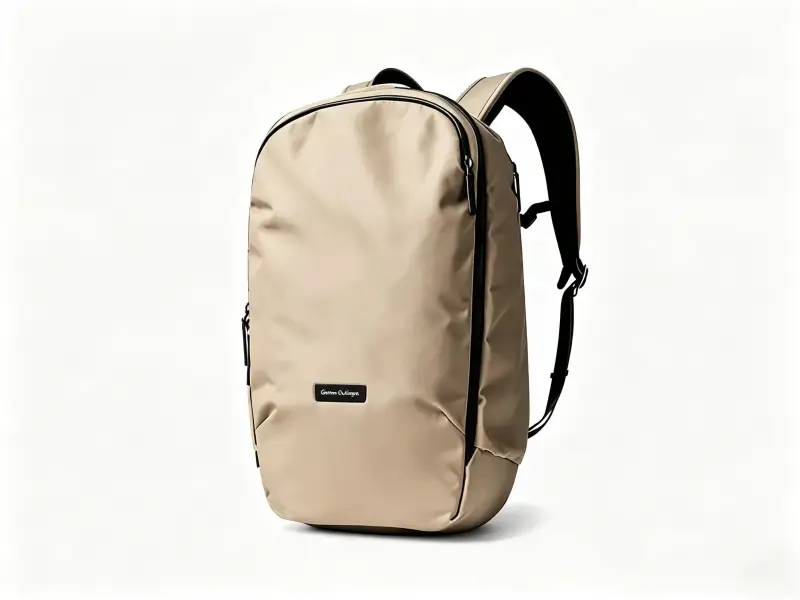
The reason is partly aesthetic and partly practical. After several seasons dominated by small, structured bags that carried very little, consumers moved toward shapes that look effortless yet still hold a laptop, a water bottle and a pair of flats. Trend reporting through 2026 describes the same shift from several angles: editors point to slouch as the defining silhouette of the year, while product teams describe a shape that samples quickly, photographs well and sells through before it dates.
Why the Slouch Beat the Structure
The handbag has always alternated between two poles: the framed shape that signals polish and the soft shape that signals ease. The current cycle has moved firmly toward the second. Soft construction also lowers a bag’s perceived formality, which widens its use, so one bag works over a winter coat and with a slip dress in summer. For buyers, that versatility matters more than novelty, because a shape that works across seasons reduces the risk of markdowns.
Which Bag Silhouettes Are Trending in 2026?
Six silhouettes account for most of what is trending: slouchy shoulder bags, east-west shapes, oversized utility totes, structured top-handle bags, soft pouches, and rounded bucket or crescent forms. They range from deliberately casual to deliberately formal, so the useful question is not which one is best but which one fits how a bag will actually be used.
| Silhouette | What defines it and who it suits |
| Slouchy shoulder bag | A soft body that sags in the centre, worn high under the arm |
| East-west bag | Width clearly greater than height; polished and minimal |
| Oversized utility tote | Open top and reinforced handles; commuting, work and travel |
| Structured top-handle bag | A frame or stiffener with a hand-held strap; formal dressing |
| Soft pouch | A drawstring or gathered closure with no fixed shape |
| Bucket or crescent bag | A rounded base or curved crescent profile |
East-West and Bowling Shapes
These are the elongated silhouettes, wider than they are tall, sometimes described as bowling shapes. They have held their position for several seasons because they solve a specific problem: they carry a phone, a card holder, sunglasses and a lipstick without the bulk of a tote, and they tuck neatly under the arm. The same proportions now appear in both structured and soft constructions.
Oversized Totes and Utility Carryalls
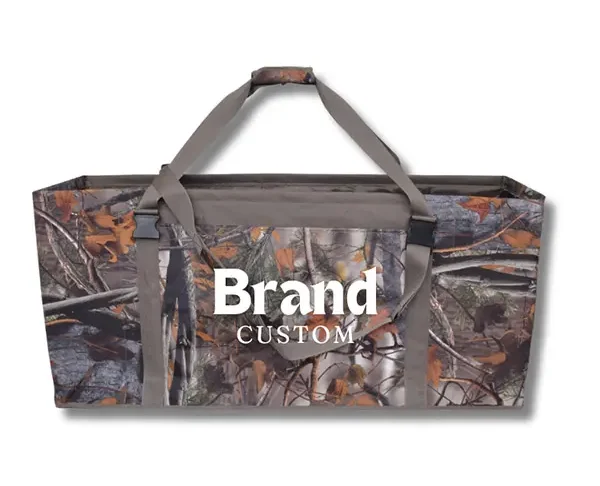
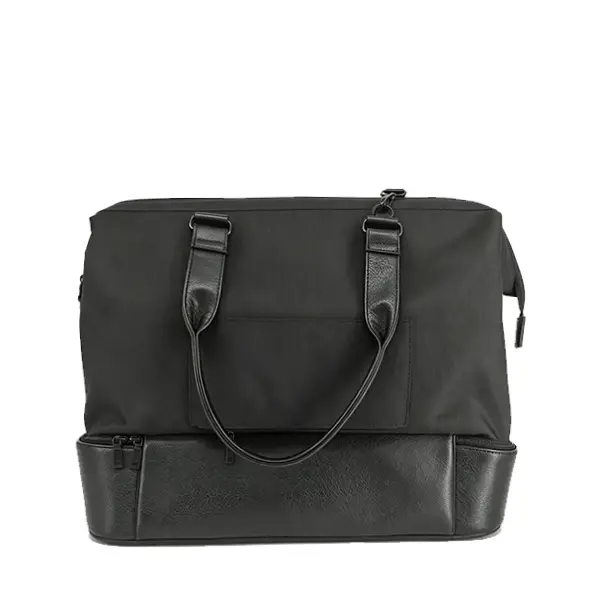
Totes remain the largest product segment in the category, and current versions are softer than the rigid work bags that came before them. Demand is driven by hybrid working, longer commutes and the fact that many people now carry a laptop daily. Practical details matter more than the exterior: padded sleeves, secure closures, reinforced bases and a comfortable strap drop. For a brand building this silhouette, the deciding factor is usually a travel bag manufacturer supplier that can prototype soft-sided construction quickly.
Structured Top-Handle Bags and Satchels
Running in the opposite direction are structured top-handle bags and satchels, the year’s formal answer to slouch. Clean lines, discreet stitching and a hand-carried strap define the group, and the mood is restrained rather than decorative. This is the most demanding category to produce well, because a framed bag needs internal structure, precise edge finishing and hardware heavy enough to justify the price. It is also the silhouette least suited to substitution, since a structured shape built in soft canvas rarely holds its lines.
Pouch, Bucket and Crescent Shapes
The remaining three silhouettes share one idea: a bag does not need a fixed shape to be useful. Drawstring pouches collapse when partly empty, bucket bags offer an open interior with a rounded base, and crescent bags curve along the body. They use less hardware and fewer panels than a structured bag, which keeps unit cost down. Their weakness is organization, since without internal pockets smaller items drift to the bottom.
Which Bag Brand Is Trending Now?
There is no single trending brand, and that is itself the trend. The labels gaining ground in 2026 win on design language, quiet construction and material quality rather than a recognizable logo.
That shift changes how trend information should be used. When logo recognition drove sales, a buyer could follow one name and expect demand. Today demand clusters around shapes and materials that many labels offer at different price points, so the useful unit of analysis is the silhouette rather than the label printed inside. For retailers this is good news, because it reduces dependence on a handful of suppliers and makes private-label and in-house lines more competitive. The brands that respond fastest to a shape, not the ones with the largest marketing budget, are the ones capturing the trend.
What Bags Are on Trend in 2026? Materials, Colors and Details
The dominant materials are suede, grained leather, woven constructions and washed canvas or nylon. The leading colors are chocolate brown, burgundy, slate green, camel and tan, with black now an option rather than the default. Hardware has become quieter in branding and heavier in weight, while heavy embellishment is concentrated on evening bags.
| Material | What it signals and how it affects production |
| Suede | Warmth and depth; needs a lining plan and moisture protection |
| Grained leather | Durability and perceived quality; higher unit cost |
| Woven or open weave | Craft and summer lightness; labor intensive |
| Washed canvas or nylon | Utility and weather resistance; fastest to sample |
| Recycled or bio-based textile | Environmental positioning; needs verifiable certification |
Color deserves its own note. Brown has displaced black as the neutral that anchors a wardrobe, and deeper shades such as burgundy and slate green behave almost like neutrals while still reading as deliberate. The same direction shows up in adjacent categories, where sports bag manufacturer supplier ranges have moved toward muted, warm tones in sling and duffel styles.
How to Tell a Trend From a Fad Before You Commit
A trend survives across multiple seasons, price tiers and categories, while a fad is confined to one narrow moment. The fastest way to separate them is to ask whether the shape can be explained by how people actually live, because trends driven by utility outlast trends driven by novelty.
- Duration. Has the shape appeared across more than one selling season, or did it arrive with a single collection?
- Cross-tier presence. Does it appear at several price points, or only at the top of the market?
- Category spread. Has it moved from one product type into adjacent ones, such as from handbags into travel or sports styles?
- Retail evidence. Are sell-through rates holding, or is stock accumulating on markdown?
- Structural reason. Does it solve a real problem, such as carrying a laptop or freeing both hands?
- Ornamental dependence. Would the style still work without its decoration? If not, it is a decoration trend rather than a silhouette trend.
By these tests the slouchy shoulder bag, the east-west shape and the oversized utility tote pass comfortably, while novelty micro shapes and heavily embellished bags do not. That distinction matters, because the market is large enough to reward patience. Industry analysis puts the handbag category at roughly USD 92.3 billion in 2026, growing about 6.8 percent a year, with totes alone accounting for more than 40 percent of product revenue, according to market research on the handbag industry.
How Trending Bag Styles Translate Into Production Decisions
A trend is only useful if it can be sampled, costed and delivered before it passes, and timing is the real constraint. Most trends last a season or two, while a production run from first sample to packed carton can take weeks or months, so the brands that benefit are the ones that shorten the pipeline rather than chase every silhouette.
Three questions decide whether a shape is worth developing.
- Does it sell through before it dates? If the answer depends on holding stock into the next season, the run is too large.
- Which materials can carry it? Soft, unstructured shapes translate easily into washed canvas, waxed cotton and nylon. Structured, framed shapes generally need leather, stiffeners and precise edge finishing.
- Can the supplier turn a repeat order quickly? Speed on the second order is often more valuable than the price on the first.
Soft silhouettes have a further advantage that is easy to overlook: fewer panels, less internal structure and simpler hardware reduce both material cost and assembly time. Working with bag manufacturing services that handle material sourcing, hardware selection and compliance in one place keeps that pipeline short and makes a mid-season adjustment realistic.
How to Choose a Trending Bag That Lasts
Choose the silhouette first, then judge the construction, because a trending shape made badly will date faster than a conservative shape made well.
- Construction. Look for even stitching, reinforced stress points at the strap anchors and a lining that will not tear at the corners.
- Hardware weight. Good zips, rings and buckles have real weight and move smoothly, while light hardware usually signals a plated base that will wear through.
- Edge finishing. On leather, the edge should be sealed or turned rather than thinly painted, since thin edge paint chips first.
- Organization. Interior pockets, a secure closure and a sensible strap drop matter more than exterior decoration.
- Empty weight. A bag that is heavy before anything is placed inside will not be carried daily, however good it looks.
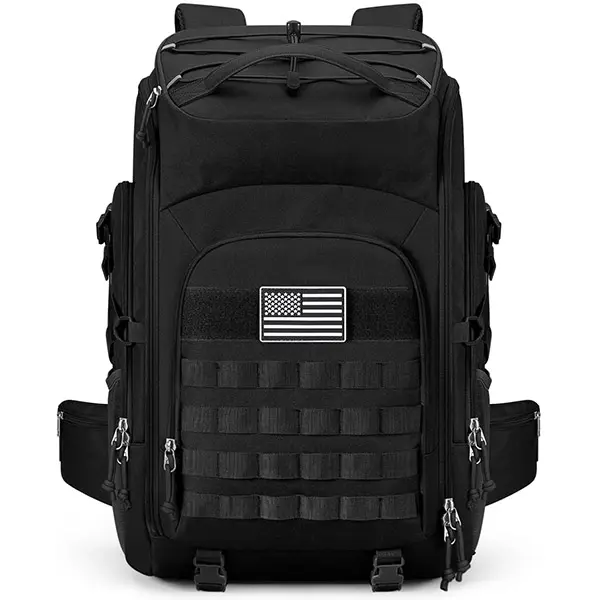
Care is mostly prevention. Brush suede and woven surfaces with a soft dry tool rather than a damp cloth, keep stored bags filled with acid-free paper so the shape does not collapse, and avoid hanging a heavy bag by its straps for long periods. The same logic applies well beyond fashion: in outdoor carry, hiking backpack manufacturer supplier lines have moved toward lighter, softer frames, because a pack that is comfortable over a full day gets used far more than one that is merely durable.
FAQ
The three questions below cover what buyers and product teams ask most often once a silhouette has been chosen, and each answer addresses a different part of the search intent.
Will slouchy shoulder bags still be in style next year?
Probably yes, in some form. Soft, unstructured shapes have held their position by absorbing small changes rather than being replaced: proportions shift, straps shorten or lengthen, and materials rotate from leather to suede and back. Because the shape is driven by how people carry a laptop and a day’s essentials, its useful life is longer than that of a purely decorative trend.
Are mini bags completely out of fashion?
No, but their role has narrowed. Small bags have moved from primary everyday carry to serving specific functions, such as an evening bag, a second bag carried inside a larger tote, or a travel piece for a phone and passport. They now complement a bigger bag rather than replace it.
Is suede practical for everyday use?
It can be, with realistic expectations. Suede resists wear better than its reputation suggests, but it marks more readily than grained leather and dislikes prolonged moisture. A protective spray, a soft brush for surface dust and storage away from direct light will keep it presentable. If a bag will be used in heavy rain or on long commutes, a grained leather or washed canvas version of the same silhouette is safer.