
Everyday carry
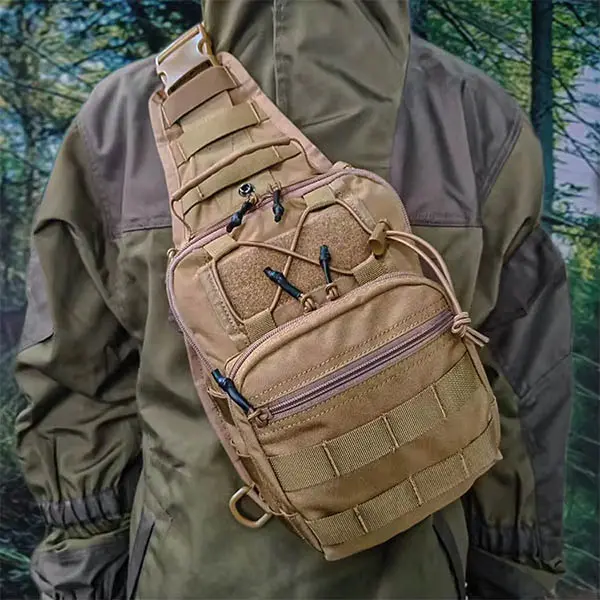
Compact sling, chest and small tactical bag concepts keep frequently used items close at hand.
Build a cohesive range around the ways your customers carry their gear. Explore compact tactical sling bags, backpacks, shoulder styles and duffels, then define the storage layout, carrying details and appearance for each product brief.
what makes us different
Choose a carrying structure first. Compartments and trim can then be planned around the expected gear and retail position.
One-strap carry for a compact load and quick front-to-back access. Crossbody configurations can be planned around the intended access side and strap routing.
Front-worn storage for smaller essentials. Define pocket access and fit around the activities your collection serves.
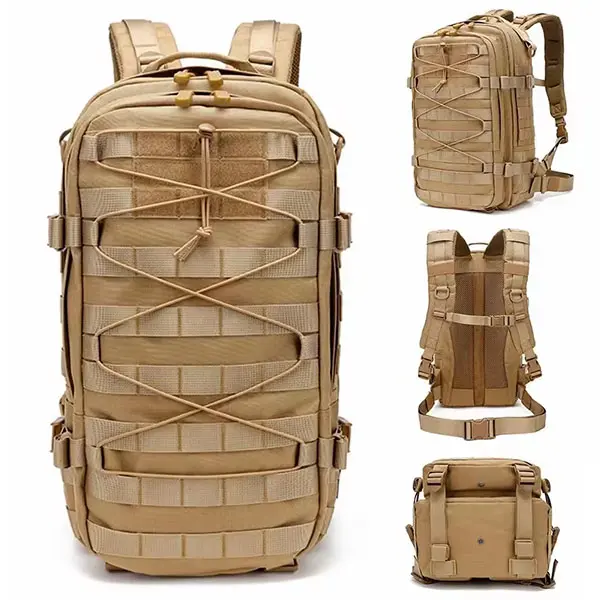
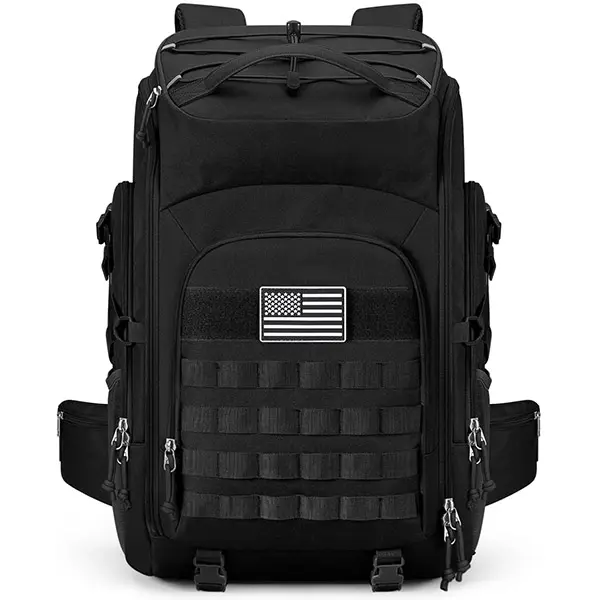
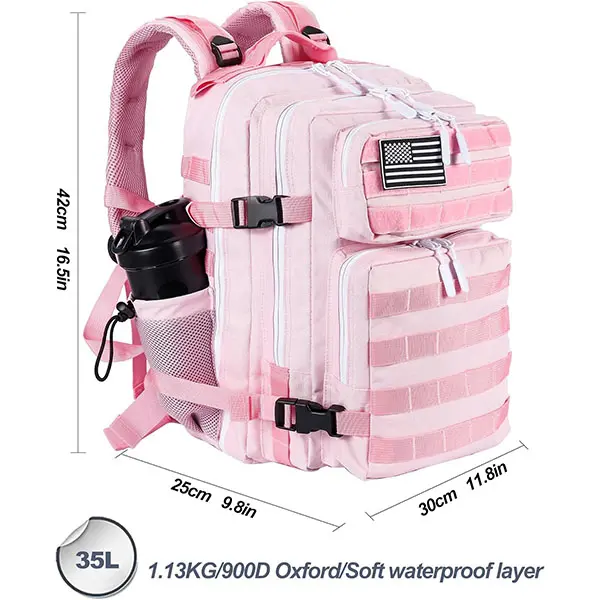
Two-strap carry for a broader gear load. Discuss compartment structure, carrying comfort and the level of external attachment your concept needs.
A larger opening and flexible packing space suit travel, gym or equipment transport. Handle and shoulder-carry options depend on the final design.
Side-carried formats can balance easy access with a more structured profile. Consider the difference between a compact shoulder bag and a larger messenger layout.
For work-focused ranges, plan device protection and accessory organization against the actual device sizes and carrying conditions in your brief.
Compare the gear you need to carry, how often you need access and how the bag will be worn. A small tactical bag may suit daily essentials, while a backpack or duffel may be a better starting point for a broader load.
| Bag type | Typical use | Carry style | Design question |
|---|---|---|---|
| Tactical sling bag | Compact daily gear | Single strap, often worn crossbody | Which side needs the quickest access? |
| Tactical chest bag | Small essentials on the move | Front worn | How should the bag sit while moving? |
| Tactical backpack | A broader gear mix | Two shoulder straps | How should weight and compartments be arranged? |
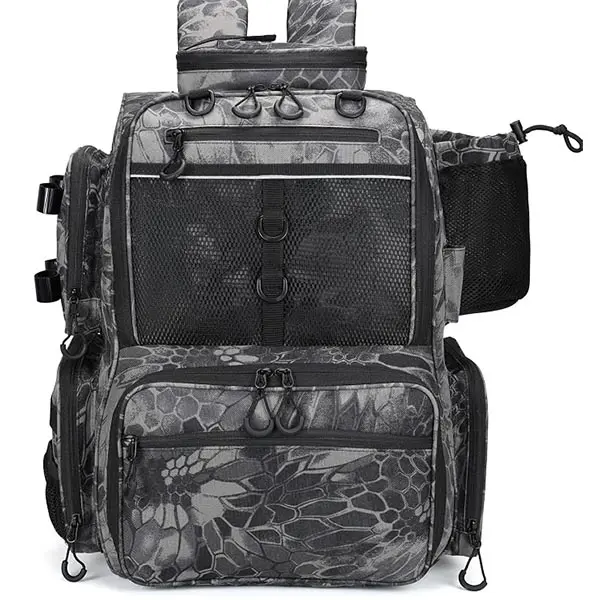
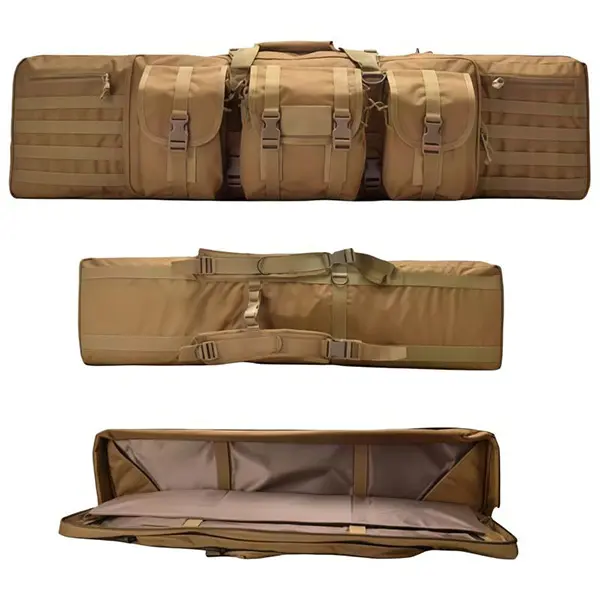
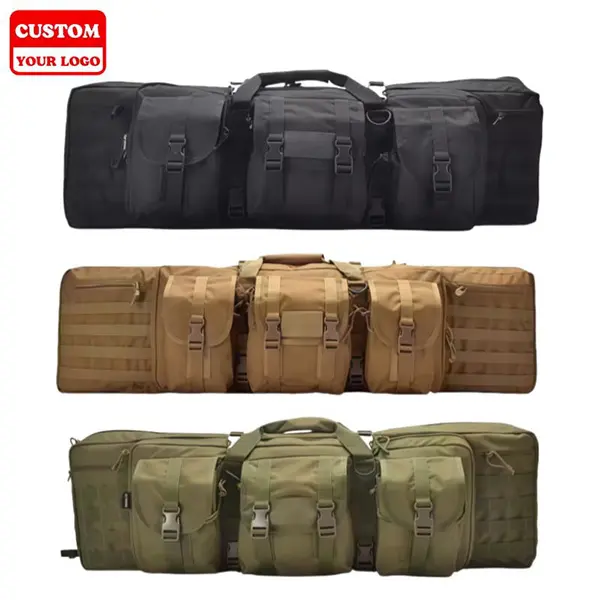
| Tactical duffle bag | A tactical travel bag concept for clothing and larger gear | Handles or shoulder strap | How wide should the main opening be? |
| Tactical shoulder bag | Compact items needing side access | Shoulder or crossbody | How much space is needed for everyday access? |
| Tactical messenger bag | Documents and work gear | Shoulder or crossbody | Would a wider, more structured layout help? |
| Tactical laptop bag | Devices and work accessories | Shoulder or crossbody | Which device sizes and accessories need protection? |
One visual language can span several uses, but each application calls for a different storage and carrying plan.
Compact sling, chest and small tactical bag concepts keep frequently used items close at hand.
Backpack and tactical duffel concepts provide room to organize clothing, accessories and larger items.
Messenger and laptop-focused layouts can include device and document storage sized to the intended equipment.
A tactical gym bag concept can separate clothing, footwear and personal items when the product brief calls for it.
A: Yes, we offer OEM and ODM services for tactical backpacks based on your design, specifications, and customization requirements.
A: Yes. To support customers launching new hiking backpack products or testing a new market, our minimum order quantity is 300 pieces.
A: Yes. We support various logo customization methods, including printing, embroidery, woven labels, and other options.
A: Yes. You are welcome to order a sample to check the materials, workmanship, and overall quality before placing a mass order.
A practical tactical bag specification starts with the items to carry, the environment of use and the intended price position. Options should be confirmed against the final product design.
1
Communication & Demand Sorting
2
Scheme Communication & Details Confirmation
3
Formal Quotation & Sample Making
4
Bulk Manufacturing, Full Inspection & Delivery
5
After-sales Follow-up & Long-term Cooperation
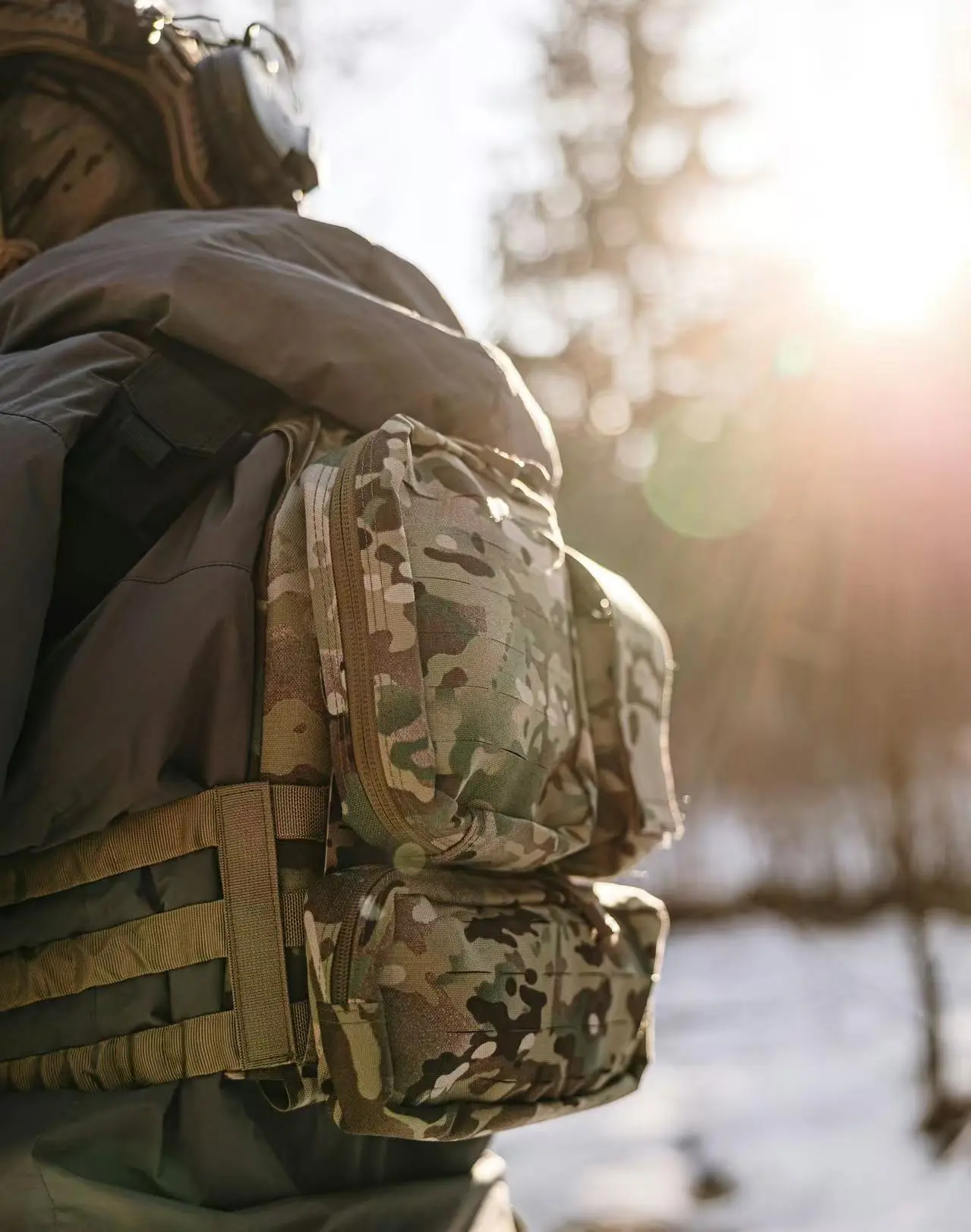
A sling bag typically uses one shoulder strap and can rotate between back and front. A chest bag is designed to sit at the front. The exact fit and access pattern depend on the individual design.
A duffel offers a broad packing opening, while a backpack distributes the load across two straps. Choose according to what needs to be packed and how long it will be carried.
A padded device section can be discussed during development. Provide the intended device dimensions and protection requirements so the layout can be specified accurately.
List the items it must hold, preferred wearing position, access side and any size constraints. Those details determine whether a sling, chest or shoulder format is the best starting point.
Lily
lily@gautenoutdoors.com
NO.88 YINGBIN EAST ROAD, CHENGNAN INDUSTRIAL ZONE, HUIAN COUNTY, QUANZHOU CITY, FUJIAN PROVINCE, P.R.CHINA
All fileds are required