The market for hunting equipment is booming with outdoor enthusiasts investing in specialized equipment. The hunting bag is at the center of that demand. A hunting bag, unlike a generic backpack, needs to haul heavy loads over rough country, protect weapons and optics, keep gear dry in unpredictable weather, and be quiet enough not to spook game. For retailers, distributors and private label brands, wholesale purchase of hunting bags isn’t just about the lowest unit price. A poorly chosen product line leads to customer complaints, high return rates and a tarnished brand image. A well-sourced hunting bag builds customer loyalty and repeat business season after season.
To choose the right wholesale hunting bag, you should decide on your target customers and the types of hunting you intend to cover, and then inspect each product for materials, capacity, load-bearing design, and hunting-specific characteristics. Once the product itself meets your quality bar, vet the supplier’s manufacturing specialization, quality control processes and compliance certificates. Finally, negotiate commercial terms such as MOQ, tiered pricing, lead times and total landed cost. It’s about balancing all of those things, not just chasing the lowest price, that separates a profitable wholesale program from an expensive one.
Each of these steps is walked through in detail below, from understanding types of hunting bags to negotiating the final purchase agreement.
What Is a Hunting Bag and Why Does It Matter for Your Business?
A hunting bag is a purpose-built carry system designed to transport weapons, gear, and harvested game in demanding field conditions, and choosing the right one at wholesale directly determines your product reputation, sales performance, and return rates.
Hunting bags cover a wide range of product types, and each serves a different segment of the market. Understanding these categories helps you decide which products to stock and which customer needs your business is positioned to meet. The main types include:
- Day packs: 20 to 35 liter packs for short hunts, tree stand sessions, and gear hauling between camp and blind.
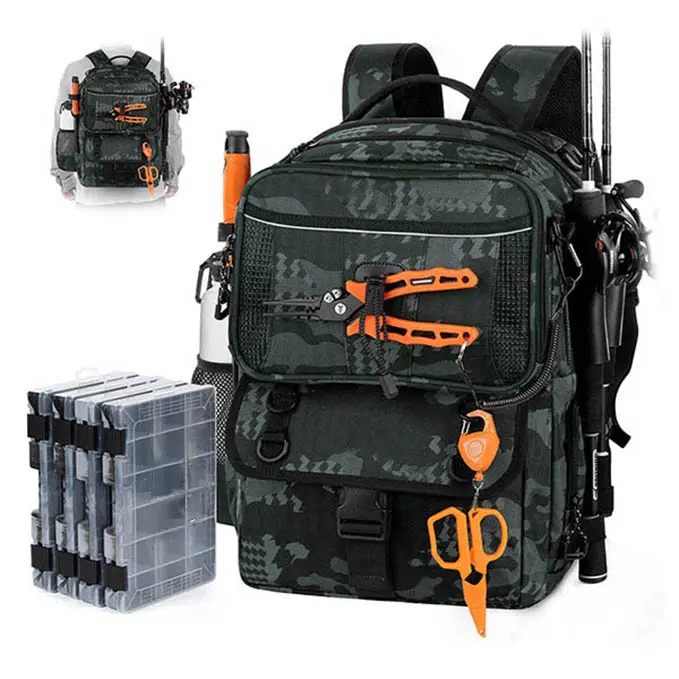
- Backpack hunting packs: 40 liter and larger packs with internal or external frames, designed for multi-day backcountry hunts and hauling meat.
- Sling bags and chest packs: compact bags for quick access to calls, ammunition, and optics.
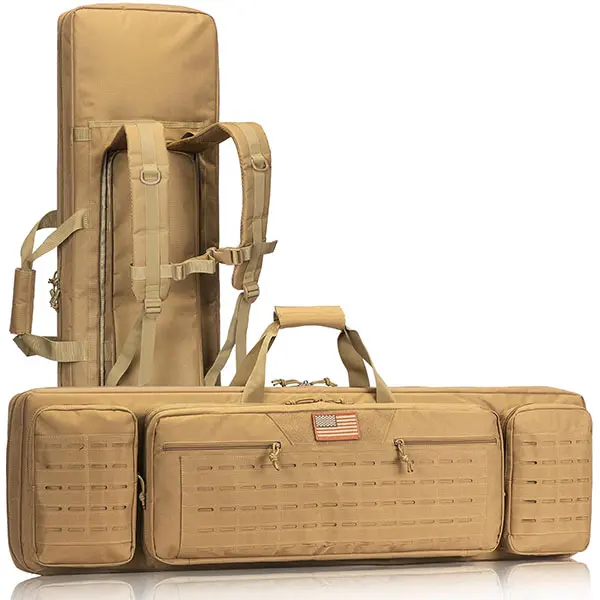
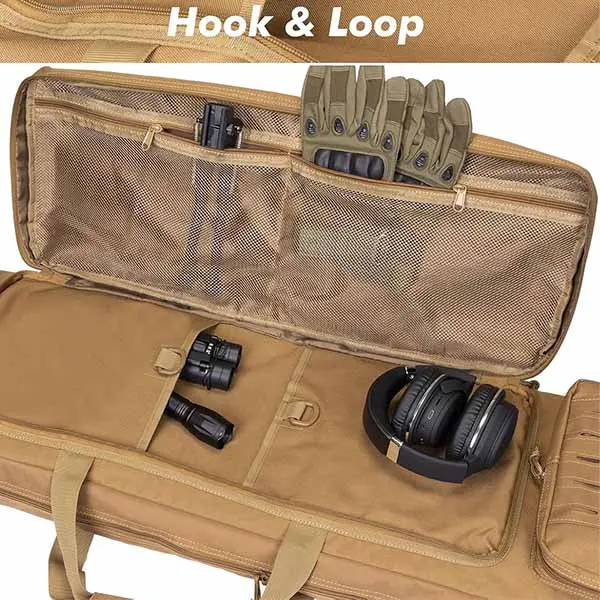
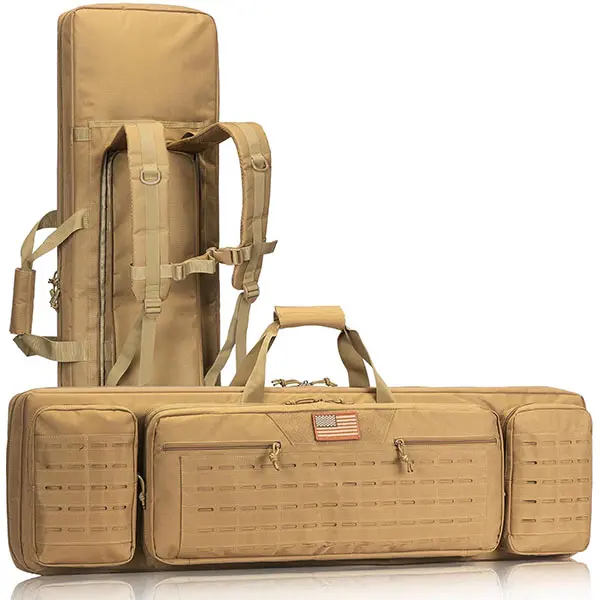
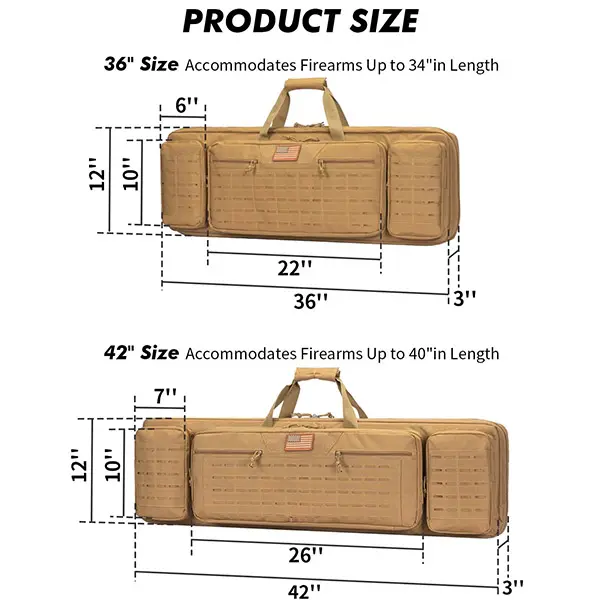
- Rifle and bow bags: padded cases that protect weapons during transport and storage.
- Game bags and haulers: specialized bags for carrying harvested game cleanly out of the field.
When building a wholesale product line, the depth of a supplier’s catalog matters as much as the quality of any single product. A dedicated hunting bag manufacturer supplier will typically offer the full spectrum above, which allows you to consolidate sourcing, negotiate better volume pricing, and present a coherent product range to your customers. Working with a generalist factory that only produces one or two styles forces you to split orders across multiple suppliers, which increases quality risk, complicates logistics, and weakens your negotiating position.
Before approaching any supplier, write a simple product brief that defines your target price point, the hunting scenarios your customers face, and the two or three bag types you want to launch with. This document becomes your reference standard when evaluating samples and comparing quotations.
How to Evaluate Hunting Bag Quality Before Buying Wholesale
Evaluating hunting bag quality comes down to four dimensions: the materials used, the capacity and fit relative to intended use, the load-bearing frame design, and the hunting-specific features that distinguish a true hunting bag from a repurposed hiking backpack.
Materials and Durability
The fabric of a hunting bag endures abrasion from brush, repeated moisture exposure, and heavy static loads, so material choice is the single most important quality indicator. High-denier nylon fabrics such as 500D or 1000D Cordura are widely regarded as the benchmark for field-grade durability because they resist tearing and abrasion far better than standard polyester. When you request samples, check the following construction details:
- Fabric weight and denier, confirmed against the supplier’s specification sheet rather than marketing claims.
- Seam construction, including bartacking at stress points such as shoulder strap attachments and hip belt anchors.
- Zipper quality, since branded zippers survive thousands of open-close cycles while generic ones fail within a season.
- Water resistance, including durable water repellent coatings, welded seams on high-end models, and whether a rain cover is included.
Noise is another material consideration that generic bag factories often overlook. Hunters need fabrics that stay quiet when brushing against vegetation, which is why brushed tricot and other soft-face fabrics are preferred for hunting applications even though they are more expensive and harder to sew. A supplier who cannot explain the trade-offs between quiet fabrics and tear resistance is unlikely to understand the hunting market.
How to Choose the Right Size Hunting Backpack
Capacity should match trip length, and offering the wrong sizes for your market is one of the most common wholesale mistakes. The general industry guideline is as follows:
| Trip Length | Recommended Capacity | Typical Use Case |
| Day hunt | 20 to 30 L | Tree stand, blind, small game |
| 1 to 3 days | 40 to 55 L | Overnight backcountry hunts |
| 4 to 6 days | 55 to 75 L | Extended backcountry trips |
| 7 or more days | 75 L and above | Expedition and outfitter hunts |
Two additional points matter when you plan your size range. First, adjustable torso length and load lifters allow one pack to fit a wider range of body types, which reduces your SKU count and return rate. Second, hunters increasingly use the same pack across activities, so a well-designed hiking backpack crossover model can capture buyers outside the core hunting segment. When in doubt between two sizes for a product line, choose the larger option, because experienced buyers consistently prefer extra room over an overloaded pack.
Load-Bearing Frame and Hunting-Specific Features
A hunting bag earns its price premium through features that hiking and tactical backpacks do not offer. Prioritize the following when evaluating samples:
- A sturdy frame system that transfers weight from the shoulders to the hips, essential when carrying heavy loads over long distances.
- A load shelf or expandable haul compartment that allows boned-out game meat to be carried between the bag and frame.
- Weapon carry systems, including rifle straps, bow holders, and drop-down gun pockets.
- Hydration compatibility, quiet zipper pulls, and scent-control storage pockets.
Field-test the samples yourself if possible. Load each pack with a realistic weight and walk several kilometers. Comfort problems such as hip belt slippage and shoulder pressure become obvious within the first hour, and a pack that fails in your hands will fail in your customers’ hands within one season.
How to Identify a Reliable Hunting Bag Wholesale Supplier
A reliable hunting bag wholesale supplier combines genuine manufacturing specialization in hunting and tactical gear, verifiable quality control processes, and full compliance with the regulations of your target markets, and you should verify all three before placing an order.
Manufacturing Specialization and OEM/ODM Capability
Hunting bags are structurally more demanding than ordinary backpacks because they must support heavy load-bearing frames, weapon attachments, and meat-hauling configurations. Many factories in Asia and elsewhere produce hiking, school, and travel backpacks, but only a subset can execute a hunting pack that carries heavy loads reliably. During your first conversations, ask to see hunting-specific models the factory has produced and request the bill of materials for each one, including exact fabric specifications, zipper brands, and frame materials.
You should also understand the three cooperation models and what each means for your business:
| Model | Design Control | Upfront Cost | Speed to Market |
| OEM (custom design) | High, you own the design | High | Slow, several months |
| ODM (modified existing design) | Medium | Medium | Moderate |
| Private label (logo only) | Low, factory owns design | Low | Fast, weeks |
An experienced OEM bag manufacturer can guide frame geometry, material selection, and camo printing options, while a basic sewing workshop will only reproduce what you give it and blame your drawings when the product fails. If your brand depends on differentiated design, the OEM route protects your intellectual property and gives you products competitors cannot simply copy from the same factory.
Quality Control and Testing Standards
A professional factory measures quality rather than describing it. Ask specific questions about testing protocols and request documentation:
- Load-bearing stress tests that simulate walking cycles with heavy loads, verifying strap and belt attachment integrity.
- Color fastness and UV resistance testing for camouflage patterns that must not fade after a single season.
- Hydrostatic head testing for waterproof models, reported as a mm rating rather than the vague term water-resistant.
- Corrosion testing for buckles and zippers destined for humid or coastal markets.
Insist on pre-shipment inspection using an agreed Acceptable Quality Limit, and personally check samples against the golden sample you approved. A defect rate that seems acceptable on paper becomes a customer service crisis once thousands of units reach retail shelves.
Compliance and Certifications
Compliance failures are more expensive than quality failures because they can block goods at customs or trigger legal liability in your sales market. If you sell into the European Union, materials must comply with REACH chemical regulations; if you sell into the United States, especially California, verify Prop 65 compliance for coatings and hardware. Packaging rules also apply, including suffocation warnings and appropriate polybag thickness.
Camouflage patterns deserve special attention. Popular camo prints are often licensed intellectual property, and unauthorized reproductions can lead to customs seizures and lawsuits in North American and European markets. Confirm that your supplier is an authorized licensee or can document the chain of custody for printed fabrics before you commit to camo-heavy product lines.
What Commercial Terms Should You Negotiate?
The right commercial terms balance a manageable MOQ, transparent tiered pricing, realistic lead times, and a complete picture of landed cost, so that the price on the quotation actually reflects what you pay per unit delivered to your warehouse.
Minimum order quantities vary widely, from as low as 50 pieces with flexible manufacturers to 500 or more with larger factories. For a first order, negotiate a lower MOQ even at a higher unit price, because testing the market with 200 units is far cheaper than being stuck with 2,000 slow-moving packs. As volumes grow, tiered pricing should reward you automatically, and you should request the full price ladder in writing before placing the first order.
Lead time in bag manufacturing typically runs 30 to 60 days from deposit to shipment, plus ocean transit. Build this timeline into your seasonal planning, because hunting gear sells in concentrated seasons and a shipment that arrives a month late misses the entire retail window. Confirm the Incoterms in your quotation, since FOB, EXW, and DDP assign very different cost and risk responsibilities to buyer and seller.
Finally, calculate total landed cost per unit, not factory price. Landed cost includes the following:
- Unit price from the supplier
- Inland freight to the port of loading
- Ocean or air freight
- Import duties and customs fees
- Insurance throughout transit
- Inspection and quality assurance costs
A quotation that looks 15 percent cheaper at the factory gate can easily be more expensive after freight and duties. Reliable suppliers help you model these costs accurately, and many established outdoor product manufacturers, from a wholesale cooler bag manufacturer to hunting pack specialists, provide detailed cost breakdowns so buyers can plan margins with confidence. Once the numbers work, document payment terms, warranty handling, and the process for defective units in the purchase contract, because these after-sales details determine how smoothly problems are resolved when they inevitably arise.
Frequently Asked Questions
What is the best hunting pack on the market?
There is no single best hunting pack, because the right choice depends on the hunt. Day hunters are well served by 20 to 30 liter packs with quick-access pockets, while backcountry hunters need 55 liters or more with a load-bearing frame and a meat shelf. For wholesale buyers, the better question is which combination of sizes and features serves your customer base, and the answer is usually a curated range of two or three pack styles rather than one flagship model.
Who are some wholesale suppliers of hunting apparel?
Wholesale suppliers of hunting apparel generally fall into three categories: specialized hunting gear manufacturers that produce both apparel and bags, general outdoor equipment factories with hunting product lines, and trading companies that consolidate orders from multiple factories. Each kind is right for a different buyer. Specialty manufacturers are the most technically adept and provide OEM support, whereas trading companies offer convenience and mixed-container consolidation. Assess any supplier on the same criteria discussed above: specialization, quality control, compliance and commercial flexibility.
Can I customize hunting bags with my own brand and logo?
Yes, and customization is the most common reason buyers choose OEM or ODM cooperation over ready-made stock. Typical customization includes logo embroidery or printing, brand-specific colorways, custom camouflage patterns where licensing allows, fabric and hardware upgrades, packaging design, and size adjustments. Expect customization to raise the MOQ modestly and add one to two weeks to production lead time, and always approve a pre-production sample before the factory runs the full order.