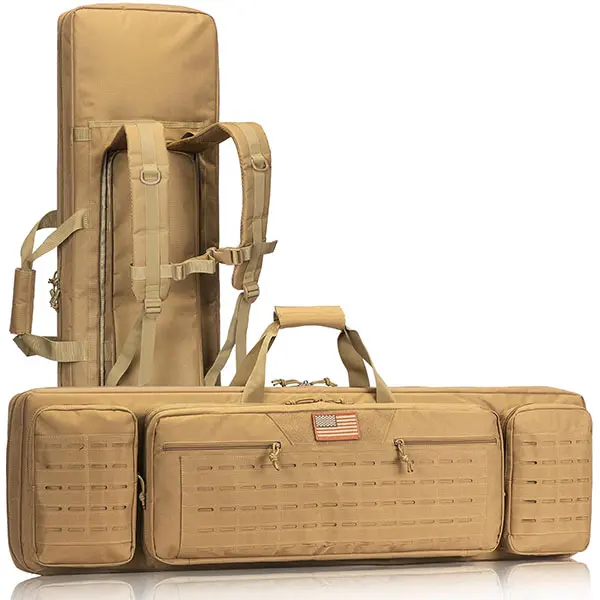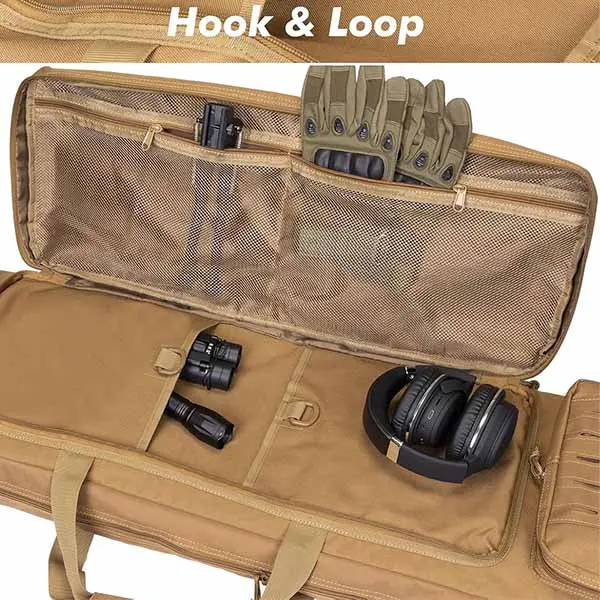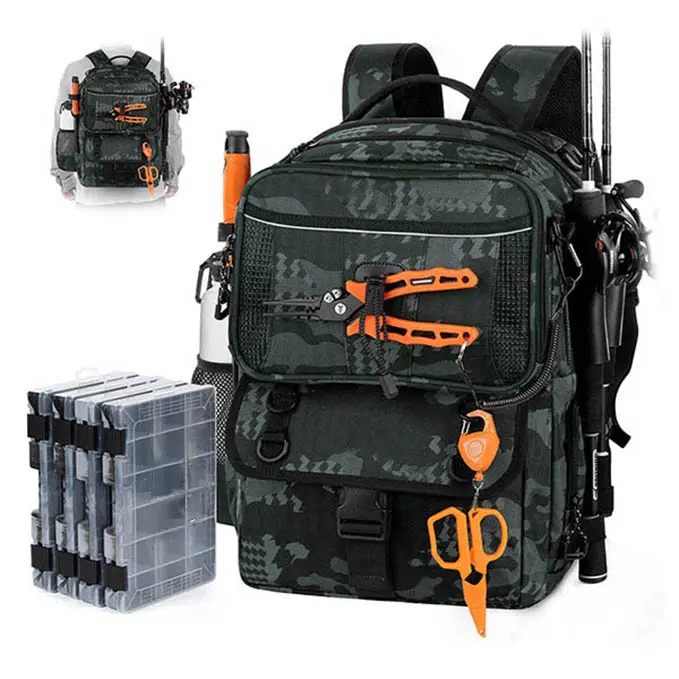
A backpack carries more than belongings. It carries coffee rings, trail dust, gym sweat, and the crumbs from every snack eaten on the move. From a lightweight daypack to a reinforced Travel Bag built for long trips, every pack follows the same care logic, and most of it comes down to a few simple habits done before the dirt sets in. A backpack for women commuting and a backpack for men hiking on weekends collect the same oils and dust, so the method barely changes with the wearer.
To clean a backpack, empty it, read the care label, spot-treat stains, then hand wash in mild soapy water or machine wash on a gentle cold cycle if the label allows, and always air dry. Skip bleach and tumble dryers, since both break down fabric and hardware faster than daily use does.
The steps below walk through each stage so you can match the method to your pack and its material.
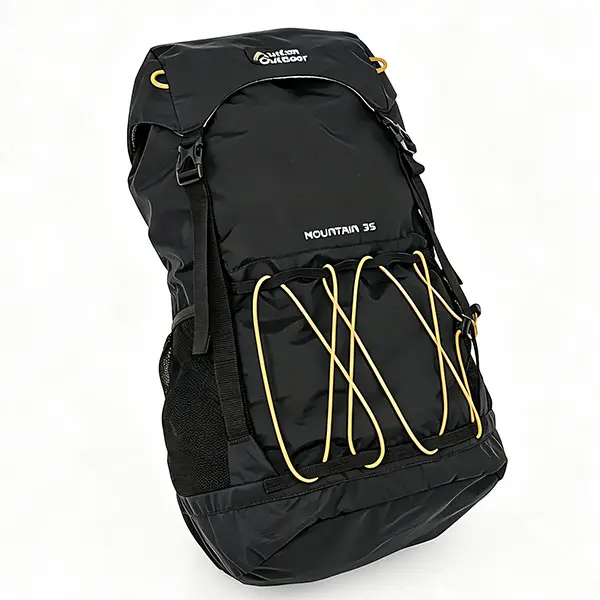
Why cleaning your backpack matters
A clean backpack lasts longer, smells better, and stays safe to carry against skin and clothes.
Dirt and body oil do quiet damage. Sweat from shoulders and hands works into the back panel and straps, where it feeds bacteria and slowly weakens stitching. Crumbs left in pockets attract pests and grow mold once humidity rises. A pack that gets a light clean every few weeks avoids the deep, set-in stains that later need harsh scrubbing. Regular care also keeps zippers running, since grit in the tracks is the main reason sliders jam or split.
What grime does to a pack over time
Oils from skin and hair are invisible at first, but they oxidize and turn yellowish, especially on light fabric. Salt from sweat and sea air corrodes metal zippers and clips. Mud left to dry cracks the coating on waterproof panels. None of this shows up in a single trip, which is why a pack can look fine and still be due for a wash.
When should you clean a backpack
Wash a pack when you see stains, smell odor, or spot mud, and plan a deep clean once or twice a year on top of monthly light refreshes.
Most people wait until a backpack looks dirty, but the useful signal is feel and smell. If the shoulder straps feel greasy or the inside smells musty when you open it, it is time. Heavy use in heat, rain, or crowded transit builds grime faster, so those packs need more frequent care.
Signs your pack needs a reset
Visible marks on the base or front panel are the obvious cue. Less obvious ones are a stale smell after rain, grit in the zipper teeth, or dark patches where the back panel meets your shirt. Any one of these means a full wash, not just a wipe.
What you need before you start
Gather a mild detergent, a soft brush, sponges or cloths, a basin or tub, a mesh laundry bag, and a towel before you touch the pack.
You do not need special products. A fragrance-free liquid detergent meant for delicates works better than powder, which can leave residue in seams. A soft toothbrush reaches corners that a cloth cannot.
| Item | Why you need it |
| Mild liquid detergent | Lifts dirt without fading color or harming coatings |
| Soft brush or toothbrush | Scrub stains and zipper tracks without tearing the fabric. |
| Sponges or microfiber cloths | Wipe interiors, mesh, and linings |
| Basin or bathtub | Holds enough water to soak the whole pack |
| Mesh laundry bag | Protects straps and buckles in a machine |
| Old towel | Absorbs excess water and supports air drying |
How to prepare and inspect your backpack
Empty every compartment, shake out loose debris, vacuum the lining, and check for damage before any water touches the pack.
Start by opening all zippers, pulling out hidden pockets, and removing detachable straps or frames. Shake it upside down over a bin to drop crumbs and sand. A vacuum with a brush tip clears dust trapped in mesh and seams better than shaking alone. Repair small rips before washing so they do not widen in water.
Read the care label first
The tag sewn inside the main compartment tells you what the fabric can take. In the United States, the Federal Trade Commission requires care labels on textile products, so the instructions reflect a defined cleaning standard rather than a suggestion. If the label says spot clean only, skip soaking. If it is missing or unreadable, default to gentle hand washing, since heat and strong detergent are the most common causes of damage.
How to clean backpack without washing
You can clean a backpack without water by spot wiping, deodorizing with baking soda, refreshing with white vinegar, and lifting lint with a roller or vacuum.
Not every pack needs a full wash. Light dirt and smell respond well to dry methods that take minutes and avoid water damage on leather or suede.
For surface dust, a lint roller or vacuum with a brush attachment clears fuzz and crumbs. For smell, sprinkle baking soda inside, leave it open overnight, then shake and vacuum it out. For a deeper refresh, mix equal parts water and white vinegar in a spray bottle, mist the interior, let it sit a few minutes, and wipe with a damp cloth.
Disinfecting wipes handle quick stain touch-ups on the go. A dry refresh once a month keeps a pack presentable between full washes and spares delicate fabrics from repeated soaking. These steps answer the common search for how to clean a backpack without washing and suit the packs that cannot be submerged.
How to hand wash a backpack
Hand washing is the safest method: use lukewarm water, a little mild detergent, a soft brush, and a full rinse, then air dry.
Hand washing keeps you in control of pressure and temperature, which protects coatings and shape. It is the right call for delicate, waterproof, or expensive packs, and it is the core of how to wash a backpack without risking the machine.
The regular light wash
A light wash refreshes a pack between deep cleans. Empty and shake the bag, then wipe interiors with a damp sponge and no soap to lift surface dust. For marks, dab a little neutral soap on the sponge and scrub in small circles, testing first on a hidden spot. Rinse the soap off with a cold-water cloth, then hang the pack to dry and reload it.
The deep wash
A deep wash resets a pack that has seen real use. Fill a basin with lukewarm water and a small amount of mild detergent, then submerge the pack and work the soap through inside and out with your hands or a soft brush. Pay extra attention to the back panel, straps, and base, where oil and ground dirt collect. Scrub zipper tracks gently with a toothbrush while the pack soaks. Drain, refill with cold water, and rinse until no suds remain, then air dry completely.
Can you wash a backpack in the washing machine
You can wash a backpack in the washing machine only if the care label allows it; nylon and polyester usually qualify, while leather, suede, and waxed canvas do not.
This is the question behind Can you wash a backpack in a washing machine? , and the honest answer is material-dependent. Machine washing saves effort but raises risk, so treat it as the exception, not the rule.
If the label clearly states “machine washable,” empty the pack and shake out dirt, then place it in a mesh laundry bag to keep straps from catching the drum. Use a small amount of mild detergent on a gentle, cold cycle, and skip fabric softener, which coats fibers and blocks water resistance. Run an extra rinse to clear residue, then air dry. An outdoor bag made from coated nylon handles moisture better than a structured leather pack, which should never go in a machine.
How to clean different backpack materials
Match the method to the fabric: nylon and polyester tolerate water, canvas needs gentle soap, and leather or suede must stay dry and get special care.
Material decides everything from temperature to whether you submerge the pack at all. A pack used for a daily commute and a pack used for travel face the same dirt, but their shells call for different treatment.
| Material | Safe method | Avoid |
| Nylon or polyester | Hand or gentle machine wash, cold water | Bleach, high heat, softener |
| Canvas | Hand wash with mild soap and rinse well | Harsh scrubbing that fuzzes the weave |
| Leather | Wipe with damp cloth; use leather cleaner | Soaking, machine wash, direct sun |
| Suede | Dry brush and suede eraser only | Water, which stains and stiffens |
Leather and suede need a conditioner after cleaning to stay supple, and waxed canvas may need a wax redo once dry. When in doubt, clean a hidden patch first.
How to dry a backpack the right way
Always air dry a backpack upside down with zippers open, away from direct sun and any heat source, until it is fully dry.
Heat is the fastest way to ruin a pack. A tumble dryer warps frames, melts coatings, and shrinks fabric. Even a hairdryer held close can crack a waterproof layer.
Hang the pack by the loop or lay it on a drying rack with the mouth down so water drains out. Open every pocket and pull straps straight so they dry evenly. Once bone dry, a spray-on waterproofing product restores resistance on nylon, polyester, or canvas, and a rub of candle wax along stuck zipper teeth keeps them sliding smoothly. Only pack it again when no damp spot remains.
How to store a backpack between uses
Store a clean, dry backpack in a cool, dark, ventilated place and keep it loosely filled so it holds its shape.
Storage is where mold starts, almost always because the pack went away damp. Make sure it is fully dry, then keep it out of basements and sheds where air sits still. A breathable cotton bag beats a sealed plastic bin for long breaks. Loosen all straps and leave zippers half open so the shell relaxes instead of holding a cramped shape. Avoid stacking heavy items on top, which creases the back panel and weakens the frame over time.
FAQ
Can I wash a backpack with a laptop sleeve or internal frame?
Remove the laptop and any electronics first, and take out a removable internal frame if the design allows. Padded sleeves survive hand washing if you rinse soap fully from the padding, but sealed or rigid frames should stay out of water. For a structured pack, spot clean the shell and air dry with the sleeve open so moisture does not sit against the foam.
How do I get mold or mildew out of a backpack?
Mix equal parts water and white vinegar and spray the affected area, letting it sit about fifteen minutes to break down the growth. Wipe with a clean cloth, then wash the panel as the care label allows and dry it in moving air until no dampness remains. Repeat once if the mark returns, and never seal a pack away until the spot is fully gone, since spores survive in trapped humidity.
How do I keep a backpack from smelling between washes?
Empty it after every trip and let it air out openly before you put it down. A small pouch of baking soda left inside between uses absorbs odor, and a quick vacuum of crumbs stops smell at the source. Wipe the back panel with a damp cloth after sweaty wear, since that contact point is where most pack odor begins.